Sport News
How In-Game Events Became Bigger Than Product Launches
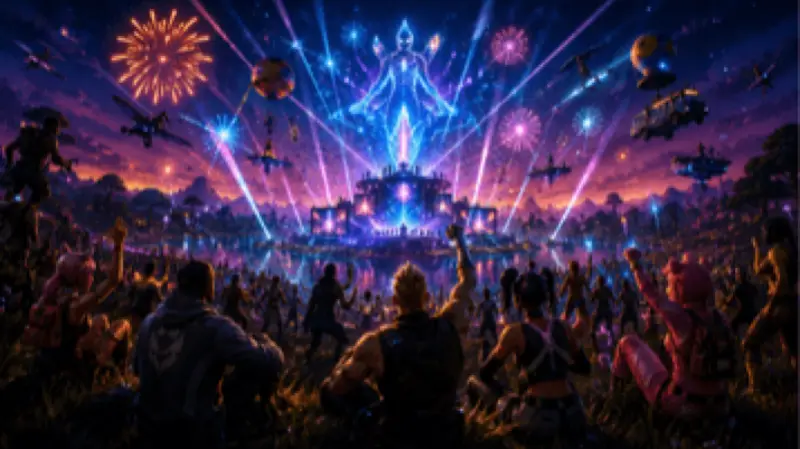
A press conference announcing a new game feature used to be the biggest moment on a studio's calendar. That's no longer true for many major titles. Now, the announcement itself often happens inside the game, in front of millions of players watching live, rather than through a traditional press release.
This shift reflects something bigger than a marketing trend. Studios have realized that players trust what happens inside a game world more than what gets announced outside it, and that trust has reshaped how major content reveals actually happen.
The Rise of Live Events
In-game events have grown from simple seasonal updates into full-scale spectacles that rival traditional entertainment premieres. Fortnite's live concerts, for example, have pulled in over 12 million concurrent players for a single in-game performance, numbers that many television broadcasts can't match.
A few factors explain why these events grew so large so quickly:
-
Shared timing: everyone experiences the event simultaneously, creating a sense of occasion similar to watching a live sports match.
-
Low barrier to entry: players don't need to buy anything extra, they just need to log in at the right moment.
-
Social sharing potential: a visually striking in-game moment spreads quickly across social media, extending its reach well beyond the players who watched live.
These events succeed because they combine entertainment with genuine surprise, since studios rarely reveal exactly what will happen until the event itself unfolds in real time.
Community Engagement
What makes these events genuinely effective is how directly they involve the community rather than simply broadcasting content at players. Betting and gaming platforms have picked up on this same principle, and PinUp community engagement through live tournaments and timed promotions follows a similar logic of getting users actively involved rather than passively watching.
Community involvement in major in-game events typically shows up through:
-
Player-driven outcomes: choices made by the community collectively influencing how an event unfolds or concludes.
-
Real-time chat and reactions: shared spaces where players react together as an event happens, amplifying the sense of occasion.
-
Post-event content creation: players producing clips, reactions, and discussions that keep the event visible long after it ends.
This layer of engagement extends an event's impact well past its actual runtime, since fan-made content and discussion threads keep circulating for days or even weeks afterward.
Marketing Through Gameplay

Perhaps the most significant shift is how these events function as marketing without feeling like traditional advertising. Rather than interrupting gameplay with a promotional message, studios build the announcement directly into the experience itself.
The table below shows how this approach compares with traditional product marketing methods.
Pin Up-style promotional events, built around timed tournaments and live leaderboard reveals, apply this same logic outside traditional gaming, turning what would normally be a simple announcement into an interactive moment users actively participate in rather than just observe.
Future Trends
In-game events are likely to keep growing in scale and ambition, particularly as game engines become powerful enough to support increasingly complex live experiences without technical compromises. Several developments already point toward where this trend heads next.
A few trends worth watching include:
-
Cross-title crossovers: characters and content from unrelated games appearing together within a single live event.
-
Real-world tie-ins: events synced with actual calendar dates or global occasions to maximize relevance and timing.
-
Platforms such as Pin-Up expanding live, interactive promotional formats that mirror the community energy built by major gaming events.
These developments suggest that the line between gaming, entertainment, and marketing will keep blurring rather than separating back into distinct categories.
Conclusion
In-game events have become one of the most effective ways studios communicate with players, often outperforming traditional launches in both reach and emotional impact. Shared timing, active community participation, and marketing built directly into gameplay all explain why this format keeps growing rather than fading as a novelty. As technology continues improving, these events are likely to become even more central to how entertainment companies, across gaming and beyond, connect with their audiences.