
Sport News
Xoilac TV – 8 Useful Ways to Read Football Information More Clearly Before Kickoff
Football fans today have access to an enormous amount of information before a match begins. Team form, league position, injury reports, head-to-head records, expected lineups, live scores, and market data can all be found online within minutes. While this makes match preparation easier, it can also overwhelm readers who are not sure which details deserve the most attention.
A better approach is to organize information into a few practical categories. Instead of reacting to one statistic or one recent result, readers can compare several pieces of context and build a more complete picture of the match.
Use xoilac tv as a Starting Point for Match Information

When visiting xoilac tv, users can begin by checking the basic match information available before kickoff. This may include fixtures, competition details, team names, recent results, or related football updates.
The key is not simply to collect as much information as possible. It is more useful to identify the pieces of data that explain the context of the match.
For example, a team may have won three games in a row, but those victories may have come against weaker opponents. Looking only at the winning streak can create an incomplete impression.
Check Recent Form in the Correct Context

Recent form is often one of the first things football followers examine. However, the result alone does not always tell the full story.
A team may have lost a match despite creating several strong chances. Another team may have won despite being under pressure for most of the game.
Readers should therefore consider both results and performance indicators when available.
Home and away form should also be separated. Some teams perform much better at home, while others are more comfortable playing on the counterattack away from their own stadium.
Compare League Position Carefully.

League tables provide useful background, but position alone should not be treated as a complete measure of team quality.
Two clubs may be close in the standings while having very different recent momentum. One may have collected most of its points early in the season, while the other has improved significantly in recent weeks.
The number of matches played is another important detail. A team with games in hand may appear lower than its underlying performance suggests.
Understand Tỷ lệ kèo as Market Information
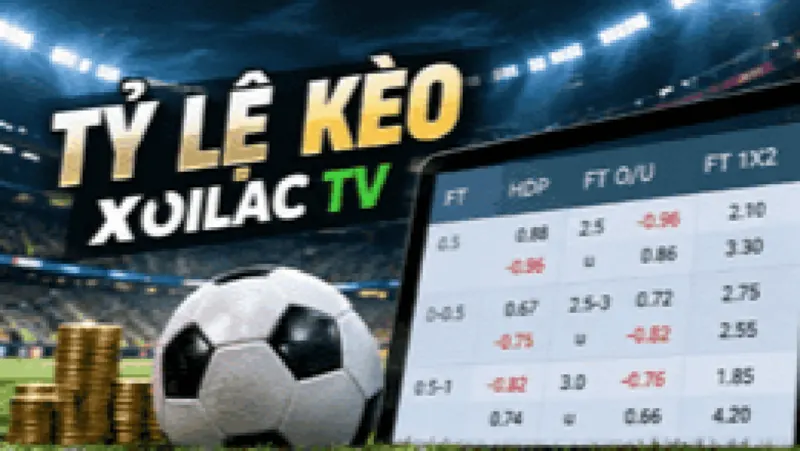
Readers interested in Tỷ lệ kèo should treat the numbers as market information rather than a guarantee of what will happen.
Football odds can reflect several factors, including team strength, expected lineups, public expectations, injuries, and market activity. However, they cannot remove the uncertainty of sport.
The same match may also display several different market types. Users should understand what each market represents before interpreting the numbers.
Comparing odds without understanding the market definition can easily lead to confusion.
Pay Attention to Team News
Injuries and suspensions can influence the shape of a match, especially when key players are unavailable.
However, the importance of an absence depends on the player’s role and the quality of the replacement. Losing a regular goalkeeper may affect a team differently from losing a rotation midfielder.
Late fitness tests and squad announcements can also change expectations shortly before kickoff.
For this reason, readers should avoid relying entirely on predictions made many days before the match.
Look at Tactical Matchups
Football is not only about which team has stronger players. Style and tactical interaction can have a major influence.
A possession-based team may dominate the ball but struggle against an opponent that defends deep. A fast counterattacking side may be especially dangerous against a team that pushes its defenders high up the pitch.
Set pieces are another important factor. Teams that regularly create chances from corners or free kicks may have an advantage against opponents that defend those situations poorly.
Thinking about how styles interact often provides more useful context than simply comparing league positions.
Use Head-to-Head Records with Caution
Historical meetings are popular because they are easy to understand. However, older head-to-head results can become less relevant over time.
Managers change, players leave, formations evolve, and clubs can move through very different competitive cycles.
A match played three years ago may have little connection to the current situation.
Recent meetings can still provide useful clues, especially if both teams have similar coaches and core players. Even then, head-to-head data should be treated as supporting information rather than a decisive factor.
Consider Match Motivation and Schedule
Fixture congestion can affect team selection and energy levels.
A club playing several matches within a short period may rotate players, particularly if an important cup or European match is approaching.
Motivation can also vary depending on the competition and stage of the season. A team fighting relegation may approach a match differently from one that has little left to gain from the league table.
Still, motivation should not be exaggerated. Teams can perform unpredictably even when the competitive importance of a match appears obvious.
Conclusion
Xoilac TV can be used as one of several sources for organizing football information before kickoff. The most useful approach is not to focus on one statistic or one market number, but to combine recent form, league position, team news, tactical context, schedule, and confirmed lineups.
Tỷ lệ kèo can add another layer of information by showing how a market is priced, but it should never be treated as a guaranteed prediction. Football results remain uncertain, and every statistic has limitations.
Readers who understand those limitations are better placed to interpret match information clearly and avoid drawing strong conclusions from incomplete data.