Sport News
Why fans prefer local clubs and local betting culture
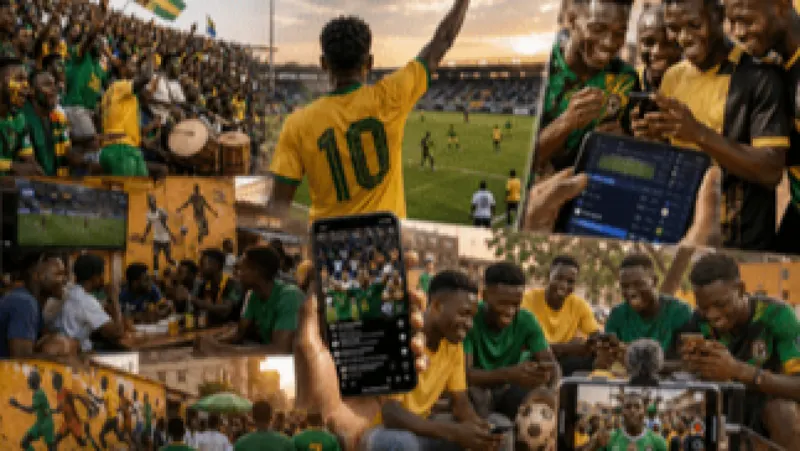
Something changed in football culture across Western Africa during the last few seasons. supporters still watch major European leagues, but the emotional connection feels weaker than before. Local clubs now attract louder crowds, stronger online engagement, and deeper loyalty from er fans who once ignored domestic football completely.
The shift looks surprisingly organic. Nobody forced it. Stadiums simply became more exciting again. Matchdays feel personal. Fans recognize players in the streets and argue about tactics inside cafés long after full time. Football stopped feeling distant.
Digital culture pushed this movement further. Match clips spread everywhere within minutes. Discussions continue through livestreams, fan channels, and football platforms, where supporters actively follow fixtures, statistics, and club conversations during busy football weekends. Many er fans also discuss predictions and bet with 1xBet while following major derby matches and live football debates online. Attention moves quickly now. One dramatic derby can dominate timelines for days.
Local identity matters more than prestige
supporters care deeply about identity. That factor changed the entire football conversation across the region. European clubs still carry prestige, history, and global stars, yet local teams offer something harder to manufacture – familiarity.
Fans see themselves inside these clubs. The language sounds familiar. The chants come from local neighbourhoods. Stadium culture reflects everyday life instead of polished television branding. That emotional connection hits differently.
A regional sports marketing survey published by Statista showed that football audiences spend more time engaging with community-driven sports content than traditional television broadcasts.
Supporters increasingly value authenticity over glamour. A packed local derby often creates stronger emotions than a foreign title race happening thousands of miles away. Football remains entertainment, but fans want emotional ownership too.
Three factors explain this loyalty shift:
-
Fans connect directly with players and club culture.
-
Local rivalries feel emotionally real and immediate.
-
Social media makes domestic football impossible to ignore.
One supporter described it perfectly during a recent televised derby. «You can feel the stadium shaking,» he said. «That energy belongs to us.»
Smartphones rewired football habits
The smartphone became football’s main screen across the region. fans consume football through clips, livestreams, reaction videos, and group chats instead of traditional broadcasts. That single change helped local football enormously.
Domestic leagues adapted faster than many expected. Clubs now post highlights within minutes. Players interact directly with supporters online. Matchday reactions spread across social platforms before television analysts even finish halftime discussions.
Betting conversations also became part of modern football culture online. Fans regularly discuss odds, score predictions, and possible outcomes before major fixtures. Prediction livestreams and betting-focused football pages attract large audiences because supporters enjoy combining entertainment with match analysis during local derby weekends.
Mobile betting activity increased sharply alongside the growth of digital football communities. Many supporters now follow live statistics, halftime odds, and pre-match analysis while watching games with friends or participating in online football discussions. Betting brands connected to regional football coverage increasingly appear inside fan spaces because engagement levels remain extremely high around domestic competitions and other popular sports discussions across social platforms.
Short-form content works especially well for local football. Stadium noise, emotional celebrations, and controversial referee decisions generate strong engagement online. Fans love raw moments. Local football delivers them constantly.
Several regional clubs now pull millions of monthly views through social media alone. That growth surprised many football executives because production budgets remain relatively small. Personality matters more than expensive graphics. Fans respond to honesty and emotion.
One funny thing happened during this digital shift. European football slowly lost exclusivity. Local matches suddenly felt more accessible and emotionally alive than distant overseas competitions. supporters noticed immediately.
Stadiums became social spaces again
Football stadiums have changed dramatically over the past few years. Matchdays now resemble cultural events rather than simple sporting fixtures. Music, street food, live content creators, and organised fan marches surround many local games.
fans enjoy that sense of community. They attend matches together, create videos, and build online conversations around the experience. Football became part of social identity again. People want to belong somewhere. Local clubs provide that feeling naturally.
Attendance figures support this trend. Several regional leagues reported crowd growth between 20 and 35 percent since 2024. Broadcasters also increased domestic football coverage after noticing stronger engagement numbers from er viewers.
A single derby can dominate an entire city for days. Cafés replay goals repeatedly. Fans debate refereeing decisions nonstop. Local radio stations dedicate entire evening shows to domestic football discussion. That emotional investment keeps growing.
Three matchday trends stand out clearly:
-
Fans create football content during matches.
-
Club merchandise appears more often in street fashion.
-
Audiences spend more time inside stadium areas before kickoff.
Old assumptions about local football continue fading. Domestic leagues no longer feel secondary to many supporters. They feel culturally relevant again.
Local players feel more relatable
European football stars still dominate global headlines, yet er supporters increasingly follow players closer to home. Local footballers share similar backgrounds, neighborhoods, and personal stories with the fans watching them every weekend.
That relatability matters. supporters see these athletes as realistic symbols of ambition rather than distant celebrities protected by massive media systems. A local striker can become a regional icon after one great season.
Some players also stay longer before transferring abroad. Better contracts and stronger visibility allow clubs to keep talented athletes for extra seasons. League quality improves when standout players remain available for local supporters.
Scouts continue monitoring regional competitions aggressively. European and Middle Eastern clubs regularly attend domestic fixtures searching for emerging talent. Fans understand this reality, yet they still enjoy watching players develop locally before larger transfers arrive.
The football itself also improved technically. Faster transitions, sharper pressing, and more organized tactical systems now appear regularly in domestic matches. fans notice quality immediately. Nobody watches boring football for long.
Football feels closer than before
The biggest reason behind this cultural shift feels surprisingly simple. Local football became emotionally accessible again. Fans no longer see domestic clubs as inferior alternatives to foreign entertainment. They see them as meaningful parts of everyday life.
Social media accelerated the movement, but stadium culture truly cemented it. Supporters crave atmosphere, identity, and emotional connection. Local clubs provide all three naturally. European football still dominates internationally, yet domestic football finally carved out its own space again.
Challenges remain. Infrastructure still limits some leagues. Financial stability continues improving slowly rather than overnight. Yet momentum feels genuine because supporters created it themselves. No marketing campaign manufactured this energy.
Fans made their choice through attendance, engagement, and loyalty. That decision changed regional football permanently.