
articles
How 3-Card Scratcher Rules Work In Digital Scratch Games
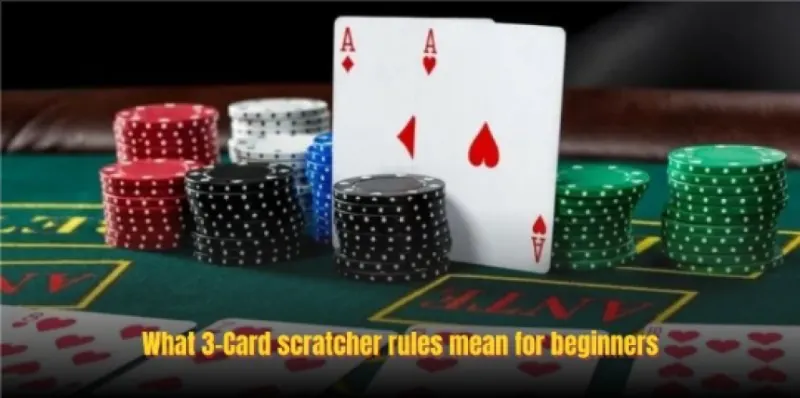
3-Card scratcher rules define how outcomes are formed in one of the simplest digital scratch game formats available today. The structure focuses on matching symbols across three revealed cards to determine results. Platforms like vivu88 present this format as a quick and easy way to understand scratch-style mechanics.
What 3-Card scratcher rules mean for beginners
For newcomers, understanding how scratch games function helps reduce confusion and builds confidence when following results. Learning the core structure early makes each round easier to observe and interpret without relying on assumptions.
- Beginners learn to focus on visible card symbols rather than guessing hidden results. The 3-Card scratcher rules clarify how matching elements form outcomes in a simple, observable way.
- The three-card format limits complexity and keeps rounds short for easier tracking. On vivu88, this structure helps new users follow results without navigating complicated mechanics.
- Short rounds allow beginners to observe multiple outcomes within a short session. Repeated exposure builds understanding of result patterns and presentation style over time.
- The limited number of cards keeps attention focused on key visual cues. This helps beginners stay engaged without feeling overwhelmed by excessive symbols or steps.

What 3-Card scratcher rules mean for beginners
Mistakes players make when following 3-Card scratcher
Many misunderstandings come from skipping basic mechanics and relying on assumptions instead of visible outcomes. Recognizing these habits early helps users follow results more accurately and with better awareness.
Misinterpreting symbol matches
Confusion often happens when players assume partial matches count as complete results.
- Only defined symbol combinations form valid outcomes under 3-Card scratcher rules.
- Visual similarity does not always equal an official match.
- Reading the symbol guide before each session reduces misinterpretation.
Ignoring the payout reference information
Some users skip checking how outcomes are mapped to rewards before revealing cards.
- Payout references explain which matches qualify as valid results.
- Overlooking these guides creates unrealistic expectations about outcomes.
- Reviewing payout tables helps align expectations with displayed results.
Overgeneralizing results from a few rounds
Players sometimes draw conclusions after observing only a small number of outcomes.
- Short-term patterns do not represent overall distribution.
- Isolated rounds can look repetitive without reflecting long-term trends.
- Taking notes over time provides a clearer picture of outcome variety.
Rushing through reveals without observing patterns
Some players focus only on the final outcome and ignore how symbols appear across each card. This habit often leads to missed details that could improve understanding of result presentation. When people rush, they fail to notice repeating visual cues that explain why outcomes are formed under 3-Card scratcher rules.
Switching platforms without learning the interface
Interface differences can affect how results are displayed and interpreted.
- Each platform presents card reveals and outcomes slightly differently.
- On vivu 88, layout familiarity helps users follow visual cues more smoothly.
- Spending time learning the interface reduces avoidable confusion.

Mistakes players make when following 3-Card scratcher
How 3-Card scratcher rules determine winning outcomes
Winning outcomes are formed through predefined symbol combinations that appear after each card is revealed. Understanding how these combinations are evaluated helps users follow results logically instead of guessing outcomes.
Symbol matching logic behind each result
Each outcome is based on matching specific symbols across the three revealed cards. The system checks combinations against predefined patterns to determine whether a valid result is formed. This structured comparison explains why only certain symbol sets qualify under 3-Card scratcher rules.
The role of predefined winning patterns
Not every visual similarity leads to a valid outcome.
- Winning patterns are established before each round begins.
- Only listed combinations are recognized as valid results.
- Visual resemblance alone does not override predefined rules.
How payout references link to visible results
Payout references connect symbol combinations to specific outcome categories.
- Each valid match corresponds to a predefined payout tier.
- Reference tables clarify how outcomes are categorized.
- Reviewing these tables prevents confusion after card reveals.
Why partial matches do not qualify
Partial matches may look close to winning patterns but do not meet full criteria.
- Missing one required symbol invalidates the combination.
- Near matches are displayed for transparency, not recognition.
- This strict structure keeps result evaluation consistent and predictable.
The importance of consistent result presentation
Clear presentation ensures users understand how outcomes are formed across rounds.
- Consistent layouts help users follow card reveals more easily.
- On vivu88, result formatting is designed to highlight valid combinations clearly.
- Familiar visual structure reduces misinterpretation over repeated sessions.

How 3-Card scratcher rules determine winning outcomes
Differences between 3-card scratchers and other scratch formats
Scratch games vary in structure, pacing, and how outcomes are presented to users. Understanding these differences helps players compare formats clearly without assuming all scratch games follow the same logic under 3-Card scratcher rules.

3-card scratchers and other scratch formats
Conclusion
Understanding 3-Card scratcher rules helps users follow each round with clearer expectations and less confusion. When result logic is transparent, tracking outcomes becomes more consistent and easier to interpret over time. On vivu88, this structured presentation supports smoother observation of 3-card scratcher results.