Sport News
Brazil at the 2026 World Cup: A Leading Contender in Group C
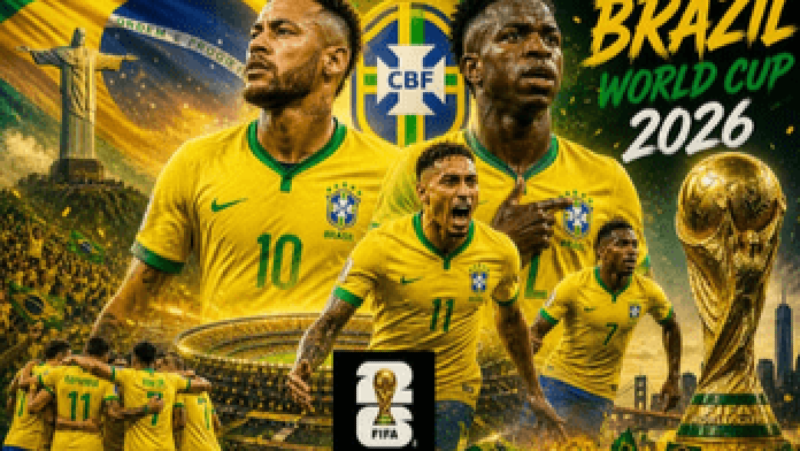
The global football landscape is once again turning its attention to Brazil as the 2026 World Cup approaches, with analysts, fans, and betting communities closely studying every angle of the tournament, including platforms like kèo nhà cái, which often reflect shifting expectations around top contenders.
Brazil, the most successful national team in World Cup history, enters the competition not only with immense pressure but also with renewed ambition under a new tactical era and a squad filled with world-class talent. Their journey in Group C is expected to be both challenging and highly entertaining, as they aim to reclaim the world crown they last lifted in 2002.
Brazil’s Overall Position Ahead of the 2026 World Cup

Brazil’s status heading into the 2026 World Cup remains unchanged in one critical aspect: they are always among the top favorites. No other national team has matched their legacy of five World Cup titles, and their consistency at the highest level of international football is unmatched.
Over the decades, Brazil has built a football identity rooted in creativity, technical brilliance, and attacking flair. From Pelé to Zico, Romário, Ronaldo, Ronaldinho, Neymar, and now Vinícius Júnior, the country has continuously produced generational talents capable of defining entire tournaments.
Key Team Overview
Brazil’s current football profile reflects both tradition and evolution:
-
FIFA Ranking: Among the top 10 globally
-
World Cup Appearances: 23 editions
-
Titles Won: 5 (1958, 1962, 1970, 1994, 2002)
-
Head Coach: Carlo Ancelotti
-
Captain: Marquinhos
The appointment of Carlo Ancelotti represents a strategic shift. Known for his calm leadership and tactical adaptability, Ancelotti brings elite European club experience to the international stage, a factor that could significantly influence Brazil’s performance in knockout matches.
Group C Analysis: A Balanced but Competitive Field

Brazil finds itself in Group C alongside Morocco, Scotland, and Haiti. On paper, this is not considered the “Group of Death,” but it still contains enough quality and unpredictability to keep Brazil alert.
Morocco – The Strongest Challenger
Morocco enters the group as the most tactically disciplined opponent. Their remarkable performance in recent international tournaments has transformed them into a respected force in world football. Their defensive organization, combined with quick transitional play, makes them particularly dangerous in high-stakes matches.
Scotland – Physical and Determined
Scotland represents a traditional European challenge: physically strong, highly disciplined, and mentally resilient. While they may lack Brazil’s technical depth, their intensity and work rate often make them difficult to break down.
Haiti – The Underdog
Haiti is considered the weakest team in the group, but underestimating them would be a mistake. In tournament football, underdogs often create surprises, especially when favorites rotate their squads or lose focus.
Brazil’s objective is clear: finish first in the group to secure a more favorable knockout path.
Road to Qualification: A Journey of Transformation
Brazil’s qualification campaign was not entirely smooth. The team experienced inconsistency during the transition period following managerial changes and tactical experimentation.
Period of Instability
Before stability was restored, Brazil faced criticism for:
-
Lack of cohesion in midfield
-
Defensive lapses during crucial matches
-
Over-reliance on individual brilliance
-
Injury disruptions affecting key players
These issues raised concerns among fans and analysts, questioning whether Brazil could realistically compete for the title.
However, despite these challenges, Brazil’s individual talent ensured they remained competitive in South American qualifying.
Carlo Ancelotti’s Tactical Revolution
The arrival of Carlo Ancelotti marked a turning point in Brazil’s preparation for the 2026 World Cup.
Leadership and Experience
Ancelotti is one of the most decorated managers in football history, having won multiple UEFA Champions League titles with top European clubs. His ability to manage superstar players and create balanced team structures is one of his defining strengths.
Tactical Philosophy
Unlike many coaches who attempt to reshape Brazil into a rigid system, Ancelotti has embraced the traditional Brazilian identity. His approach focuses on:
-
Tactical flexibility
-
Defensive organization without sacrificing creativity
-
Empowering attacking players
-
Building trust and harmony within the squad
This balance between structure and freedom is expected to maximize Brazil’s attacking potential while reducing defensive vulnerabilities.
Immediate Impact
Under his leadership, Brazil has shown:
-
Improved consistency in results
-
Better game management
-
Stronger defensive discipline
-
Increased team unity
These improvements have strengthened confidence heading into the tournament.
Tactical Identity: Balance Between Creativity and Structure

One of Brazil’s greatest strengths has always been its attacking identity. Under Ancelotti, this tradition is preserved but enhanced with modern tactical discipline.
The team no longer depends solely on individual brilliance; instead, it operates as a coordinated unit capable of adapting to different match scenarios.
Star Players Expected to Shine
Brazil’s squad for the 2026 World Cup is packed with elite talent across all positions.
Vinícius Júnior – The Main Offensive Weapon
Vinícius Júnior is widely regarded as Brazil’s most important attacking player. His pace, dribbling ability, and finishing improvements make him a constant threat to any defense in the world.
He has matured significantly, both technically and mentally, becoming more decisive in crucial moments.
Neymar – The Experienced Leader
Despite advancing age and recurring injuries, Neymar remains one of Brazil’s most influential figures. His creativity, vision, and ability to change matches instantly still make him valuable in key moments.
If fully fit, he could play a decisive role in Brazil’s campaign.
Supporting Attacking Talent
Brazil also boasts a deep pool of attacking options:
-
Rodrygo
-
Raphinha
-
Gabriel Martinelli
-
Endrick
-
Savinho
This depth allows tactical rotation and adaptability throughout the tournament.
Midfield Structure: Balance and Control
Brazil’s midfield combines experience and energy.
-
Casemiro provides defensive stability and leadership
-
Bruno Guimarães offers creativity and ball progression
Together, they form a balanced midfield capable of controlling tempo and supporting both defense and attack.
Defensive Line and Goalkeeping Strength
Defensively, Brazil remains solid but not flawless.
Key Defensive Elements
-
Marquinhos serves as captain and defensive leader
-
Experienced full-backs contribute both offensively and defensively
-
Depth in central defense provides tactical flexibility
Goalkeeper Competition
Brazil enjoys a rare advantage with two world-class goalkeepers:
-
Alisson
-
Ederson
Both offer elite shot-stopping and ball distribution, giving Ancelotti tactical flexibility depending on opponents.
Strengths and Weaknesses of Brazil
Major Strengths
-
Exceptional squad depth
-
World-class attacking talent
-
Strong tournament experience
-
Tactical flexibility under Ancelotti
-
Winning mentality embedded in football culture
Key Weaknesses
-
Occasional defensive concentration issues
-
Dependence on Neymar’s fitness
-
Pressure from global expectations
-
Lack of a dominant full-back generation compared to past eras
Despite these concerns, Brazil remains one of the strongest teams in the competition.
Group Stage Predictions
Brazil vs Morocco
This is expected to be the most difficult match of the group stage. Morocco’s defensive structure may challenge Brazil’s attacking flow.
Brazil vs Scotland
A physically intense match where Brazil’s technical superiority should eventually decide the outcome.
Brazil vs Haiti
An opportunity for Brazil to dominate possession and improve goal difference.
Expected Group Ranking
-
Brazil
-
Morocco
-
Scotland
-
Haiti
World Cup 2026 Title Chances
Brazil enters the tournament among the top favorites alongside traditional European powerhouses. Their chances depend heavily on:
-
Vinícius Júnior maintaining peak form
-
Neymar contributing effectively when needed
-
Ancelotti’s tactical management in knockout stages
-
Defensive consistency in high-pressure matches
If these factors align, Brazil has a realistic chance of winning their sixth World Cup title, ending a long wait since 2002.
Final Outlook
Brazil’s journey at the 2026 World Cup represents more than just another tournament campaign—it is a mission to restore their dominance on the global stage. With a blend of youth, experience, and world-class coaching, they possess all the necessary ingredients to succeed.
The group stage is only the beginning, but it will set the tone for what could become a historic campaign for the Seleção.
Fans around the world are eagerly waiting to see whether Brazil can once again bring the magic of Samba football back to the pinnacle of international sport.
As predictions intensify and discussions grow across platforms, including https://keonhacai55.de/, expectations remain high that Brazil will not only top Group C but also mount a serious challenge for the ultimate prize.
In the end, everything points toward a team capable of greatness—if they can deliver when it matters most.